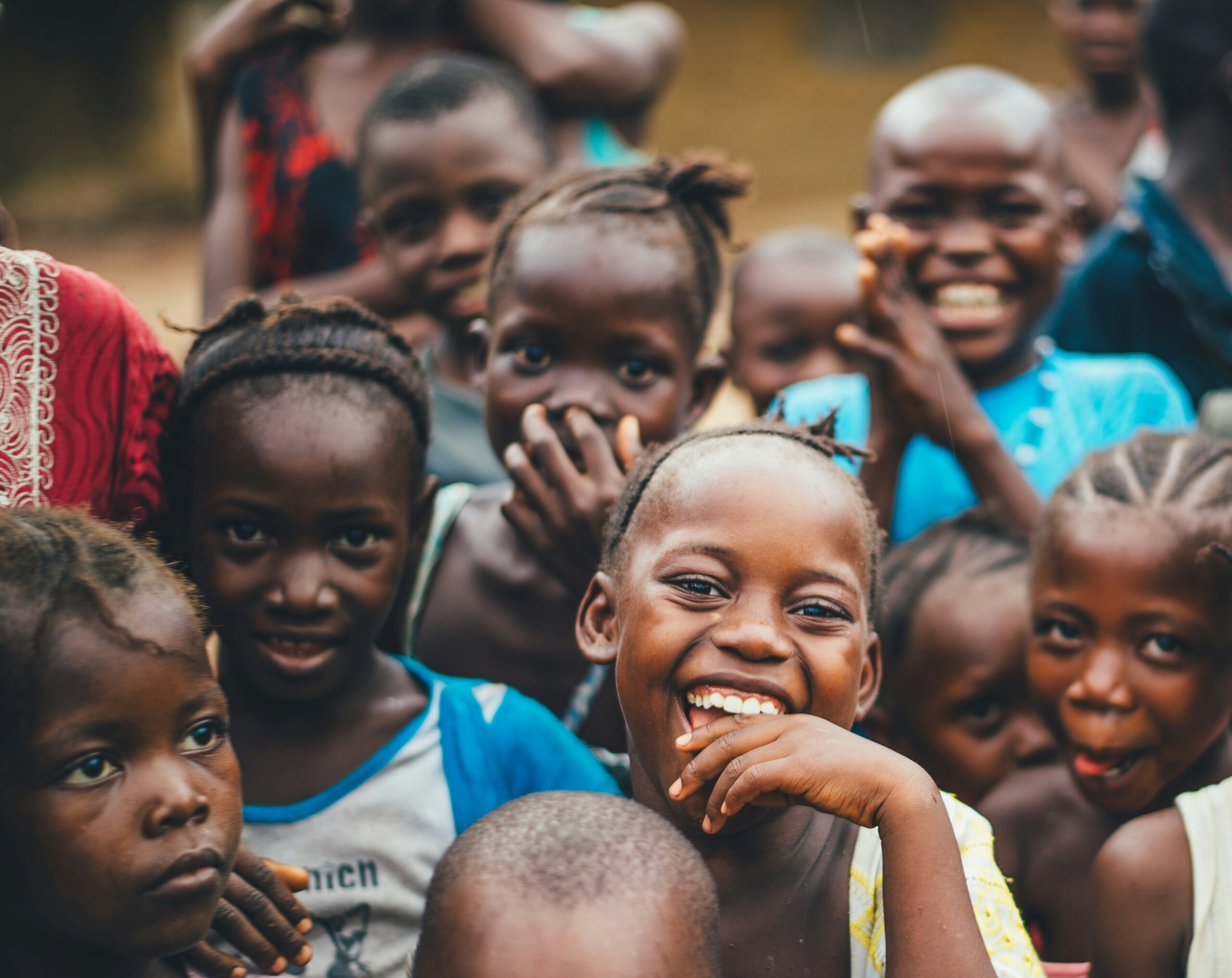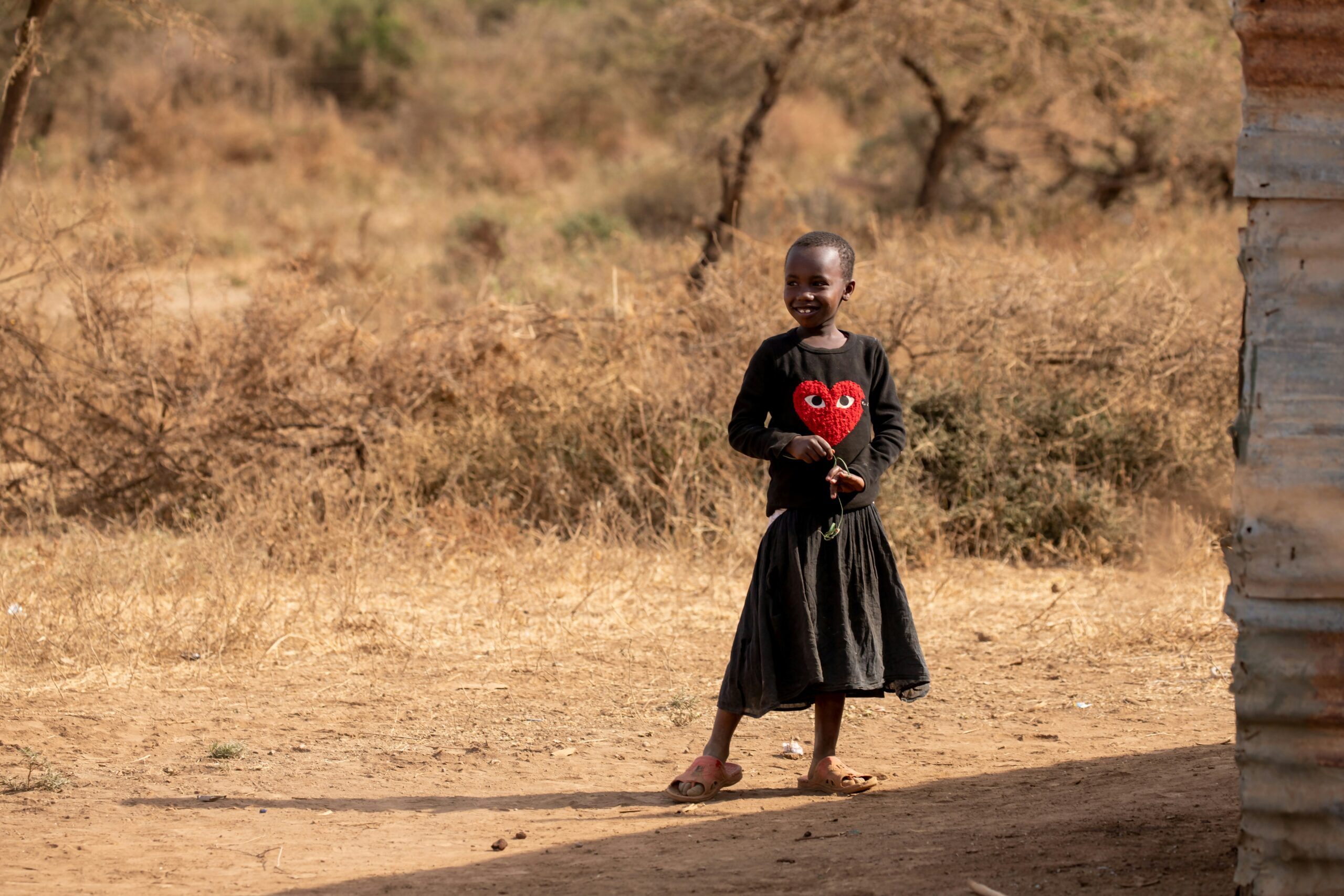

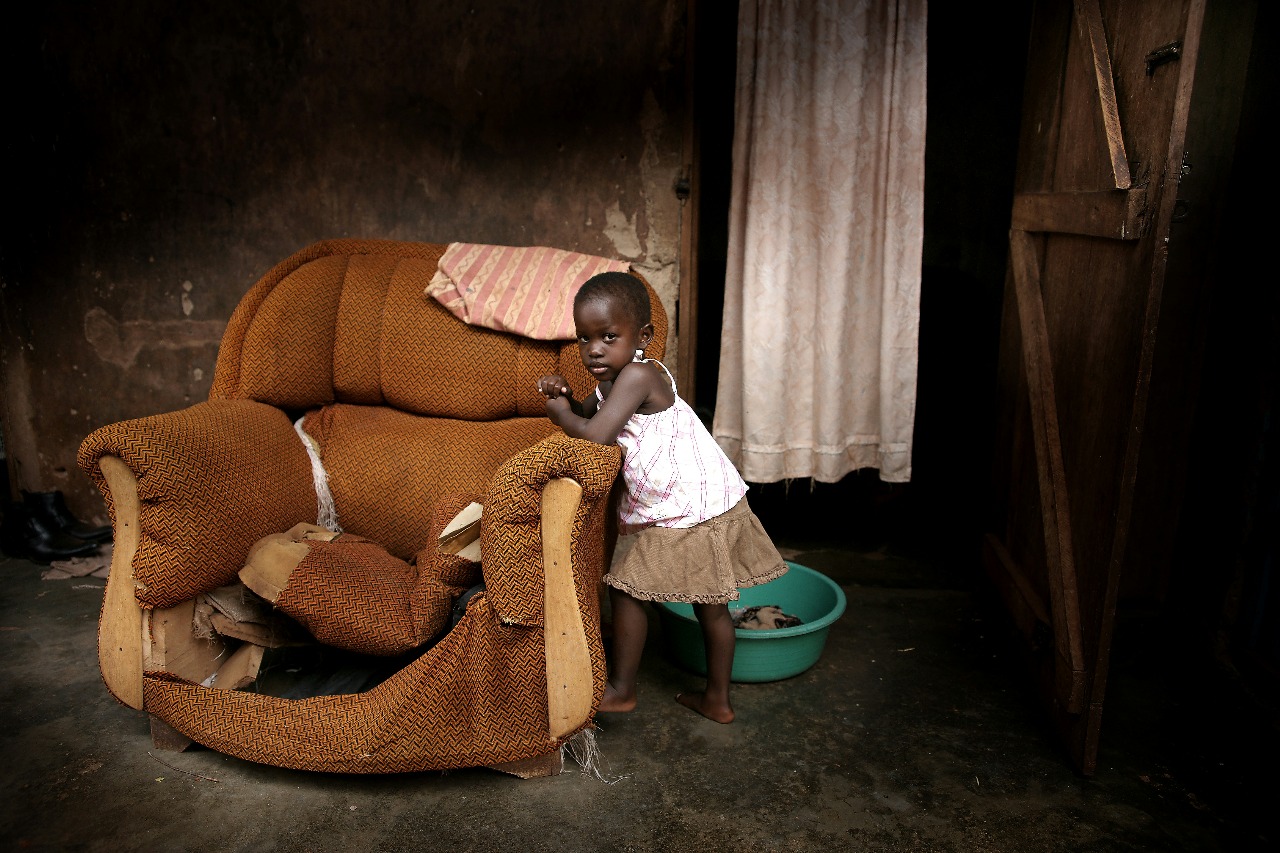
The life of a girl child in Kenya is a story of resilience, courage, and determination. While childhood should be a time of learning, growth, and dreams, many girls across Kenya face daily struggles that deny them these opportunities. Poverty, harmful cultural practices, gender inequality, and lack of access to basic services combine to make life for the Kenyan girl child extremely challenging.
This article explores the struggles of the girl child in Kenya, the unique barriers she faces compared to boys, and the ongoing efforts by communities, the government, and organizations to create a better future for her.
Growing Up as a Girl in Kenya In many Kenyan communities, children grow up in families that struggle to meet basic needs like food, healthcare, clean water, and education. While boys also face hardships, girls often carry an extra burden due to cultural expectations, gender roles, and systemic discrimination.
From a young age, girls are expected to help with household chores, care for younger siblings, fetch water, and assist with farming. These responsibilities leave them with little time for schoolwork or play. For many girls, childhood is cut short by early marriage, teenage pregnancy, or harmful cultural practices such as female genital mutilation (FGM).
The Struggles and Challenges of the Girl Child in Kenya
- Poverty and Gender Inequality Poverty affects millions of Kenyan children, but its impact is heavier on girls. When families cannot afford school fees, uniforms, or food, they often choose to educate the boy child while keeping girls at home. The belief that boys will provide for the family in the future still dominates in many households.
Girls are thus denied the chance to access education, limiting their opportunities for a better life. Instead, they are expected to marry early or work as domestic helpers to ease the family’s financial burden.
- Limited Access to Education Although Kenya introduced free primary education, many barriers prevent girls from completing school. These include:
School-related costs: Parents must still cover uniforms, books, and meals.
Distance to school: In rural areas, girls walk long distances, exposing them to risks of harassment or abuse.
Menstrual health challenges: Many girls lack sanitary pads, leading them to miss several school days each month.
Dropouts due to pregnancy or early marriage: Teenage pregnancy remains a leading cause of school dropout among girls in Kenya.
According to UNESCO, thousands of Kenyan girls drop out of school every year, denying them the chance to break the cycle of poverty.
- Early Marriages and Teenage Pregnancies In some communities, child marriage is still common despite being outlawed. Girls as young as 13 or 14 are married off, often in exchange for dowry. This practice ends their education, subjects them to early motherhood, and robs them of their childhood.
Teenage pregnancies also remain a growing problem. A report by the Kenya Demographic and Health Survey revealed that about 18% of girls aged 15–19 have begun childbearing. Many of these pregnancies are unplanned and result from poverty, sexual violence, or lack of access to reproductive health education.
The consequences are devastating: young mothers face health risks during childbirth, stigma from their communities, and the end of their educational journey.
- Female Genital Mutilation (FGM) Despite being illegal, FGM is still practiced in several Kenyan communities. It is often seen as a rite of passage into womanhood and a way to prepare girls for marriage.
The harmful procedure causes lifelong health problems, psychological trauma, and increases the risk of childbirth complications. Girls who undergo FGM are often forced into early marriage, further denying them their rights to education and childhood.
- Gender-Based Violence Girls in Kenya are highly vulnerable to gender-based violence. Many experience harassment on their way to school, at home, or in their communities. Cases of defilement, sexual abuse, and domestic violence are widespread, yet often go unreported due to stigma or fear of retaliation.
The lack of safe spaces and limited access to justice further worsens the situation for the girl child. Violence leaves deep physical and emotional scars, making it harder for girls to thrive.
- Child Labor and Domestic Work In many poor households, girls are forced into child labor. Some work as house helps in urban areas, while others spend long hours helping with farming or small businesses. Domestic work responsibilities such as fetching water, cooking, and caring for siblings also take away from their study time.
This heavy workload not only robs girls of their education but also denies them a chance to enjoy childhood.
Psychological Impact on the Girl Child The struggles faced by girls in Kenya are not just physical—they also affect their mental well-being. Girls who drop out of school, experience abuse, or are forced into early marriages often suffer from low self-esteem, depression, and hopelessness.
The constant pressure to conform to societal expectations while battling poverty leaves many girls with little chance to dream or believe in a brighter future.
Rays of Hope: Efforts to Protect the Girl Child Despite the challenges, Kenya has made progress in promoting girl child rights and empowerment.
Government Programs
Free primary and subsidized secondary education policies have increased enrollment.
The law now strictly prohibits FGM, child marriage, and sexual abuse.
Programs like sanitary pad distribution aim to keep girls in school.
Charity and NGO Initiatives
Organizations such as Elgon Lifeline Support are at the forefront of empowering the girl child.
Through mentorship, education support, and provision of sanitary products, they give girls the tools they need to succeed.
Women empowerment programs help break the cycle of poverty by training mothers in skills that support their families.
Community Awareness Campaigns
Activists and community leaders are working to change cultural attitudes around child marriage, FGM, and gender inequality.
Grassroots campaigns encourage parents to invest in girls’ education.
How Empowering the Girl Child Transforms Communities Investing in the girl child does not only benefit her alone—it benefits entire communities and future generations. Studies show that:
Educated girls are more likely to marry later and have healthier children.
Women with education contribute to stronger economies and improved household income.
Empowered girls are less vulnerable to exploitation and abuse.
By protecting the rights of girls in Kenya, we are ensuring a stronger, fairer, and more prosperous society.
What We Can Do to Help The challenges are many, but they are not insurmountable. Everyone has a role to play in improving the life of a Kenyan girl child:
Support charities and organizations that focus on girl child education and empowerment.
Donate sanitary pads, school supplies, or scholarships to keep girls in school.
Advocate for girl child rights in your community and online.
Mentor and encourage young girls, giving them role models to look up to.
Partner with organizations like Elgon Lifeline Support to scale up programs for vulnerable girls.
Conclusion The life of a girl child in Kenya is filled with immense struggles—from poverty and lack of education to harmful practices like early marriage and FGM. Yet, her resilience and determination shine through, showing the potential she holds if given the right opportunities.
By supporting initiatives that protect and empower the girl child, we are not only transforming individual lives but also shaping stronger families, healthier communities, and a brighter future for Kenya.
Together, let us rise for the girl child—because when a girl thrives, an entire nation prospers.